How a Bag Factory Crafts the Perfect Lightweight Bag
When you pick up a well-made bag factory lightweight bag, the first thing you notice is how effortlessly it feels. But achieving that featherlight carry while maintaining strength is no accident. It requires precise engineering, careful material selection, and meticulous craftsmanship.
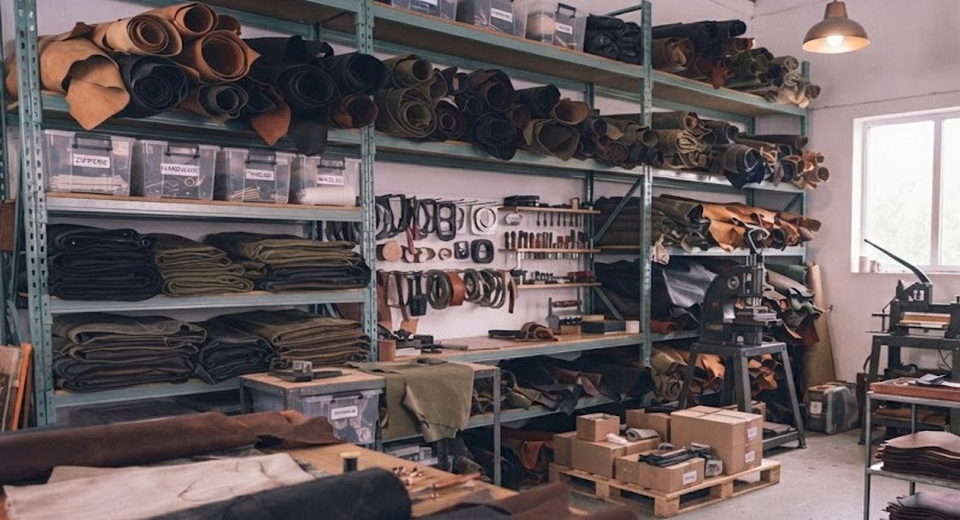
Materials That Make the Difference
Modern bag factories rely on advanced fabrics like ripstop nylon, high-tenacity polyester, and recycled technical weaves. These materials offer excellent strength-to-weight ratios, meaning the bag can withstand daily wear without adding bulk. For example, a 210D nylon ripstop fabric weighs just a few ounces per square yard yet resists tearing and abrasion—perfect for commuters and travelers.
Design and Construction Techniques
The secret to a true lightweight bag lies in the details. Factories use bonded seams instead of heavy stitching, which reduces weight and improves water resistance. They also minimize hardware—using lightweight zippers, webbing straps, and magnetic closures. Every gram counts, so designers map out stress points and reinforce them only where needed.
- Reinforced stress zones for durability without excess fabric
- Compression straps to stabilize load and reduce sway
- Foldable or packable designs for easy storage when not in use
Eco-Friendly Innovations
Many factories now incorporate recycled materials into lightweight bags, cutting waste and carbon footprint. By choosing a bag factory lightweight bag, you support sustainable production without sacrificing performance. Whether for a day hike, business trip, or daily errands, these bags prove that less weight doesn't mean less quality.