Bag Factory Prototype: From Concept to Sample
Creating a bag factory prototype is a critical step in the product development process. It bridges the gap between a designer's vision and mass production, allowing brands to evaluate materials, construction, and functionality before committing to large orders.
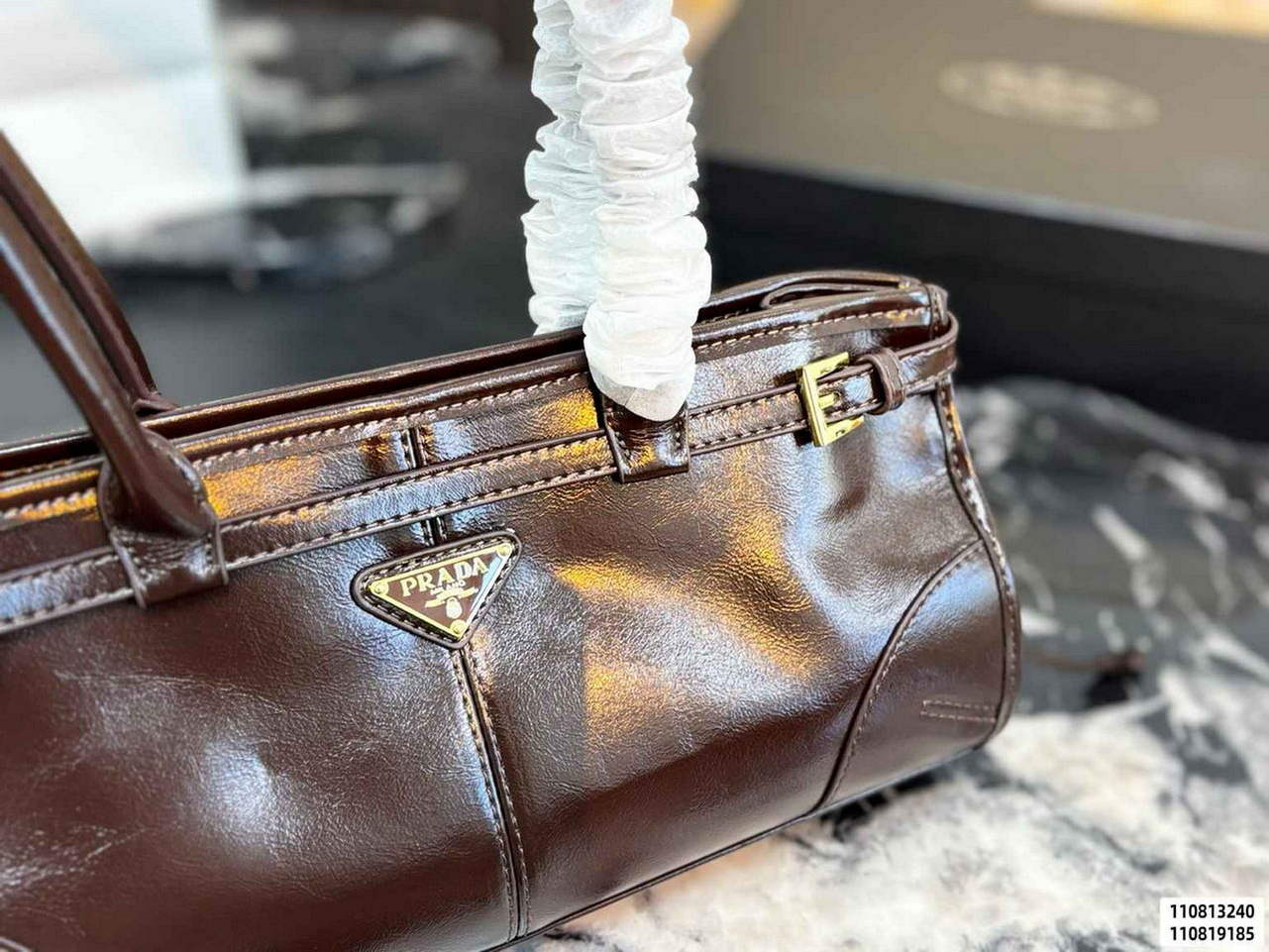
Why a Prototype Matters
A prototype serves as a physical representation of your design. It helps you test zippers, stitching, and fabric choices, ensuring the final product meets your standards. Without a solid prototype, you risk costly errors and unhappy customers.
The Prototype Process
- Design Review: Engineers and pattern makers analyze your specs for feasibility.
- Material Selection: Choose fabrics, hardware, and linings that match your vision.
- Sample Creation: Skilled craftsmen sew the first sample, often by hand or with single-ply cutting.
- Feedback Loop: You review the sample, request adjustments, and refine until perfect.
At a reliable bag factory, the prototype phase also includes cost estimation and production planning. This ensures that your design is not only beautiful but also manufacturable at scale. Many factories offer multiple revisions, so you can perfect every detail.
Investing in a high-quality bag factory prototype saves time and money in the long run. It aligns your team, validates your design, and sets the stage for a successful launch. Whether you're creating a leather tote or a technical backpack, the prototype is your blueprint for success.